Where Did Bluenose Come From, Anyway?

Bluenoser is now in the Oxford dictionary, and in this CBC.ca article Bill Davey is quoted providing  the usual etymology: 

One referred to the early Nova Scotian sailors who would be out in the cold weather and supposedly their nose would get cold and turn blue and the other one refers to the early settlers who would eat a  lot of blue potatoes and herring. 

But could the the term have a more religious bent? I looked up bluenose in a couple of American dictionaries; both the American Heritage Dictionary and Webster’s define it as a person who is particularly puritanical, who sticks to a strict moral code.

Is it possible that we Nova Scotians were known less for our seafaring toughness than for our self-righteous prudery?

Yet another Canadian nickname mystery.

Stompin’ Tom Connors is Dead

With humor and a trademark East Coast drawl, Stompin’ Tom Connors, like no other, mythologized Canadian life. He was born in New Brunswick and raised in Prince Edward Island; his first “hit” (as the Globe and Mail put it) was an ode to a PEI’s most famous export:

Years later, he wrote a song about a couple from Newfoundland that dumped a truck load of shit in the middle of Toronto (something any good Atlantic Canadian dreams of doing):

There were so many more songs, over so many years; he covered everything from a night out in northern Ontario to KD Lang.

A farewell note from Stompin’ Tom is on the homepage of his website.

A Mess of Mushrooms in Nova Scotia

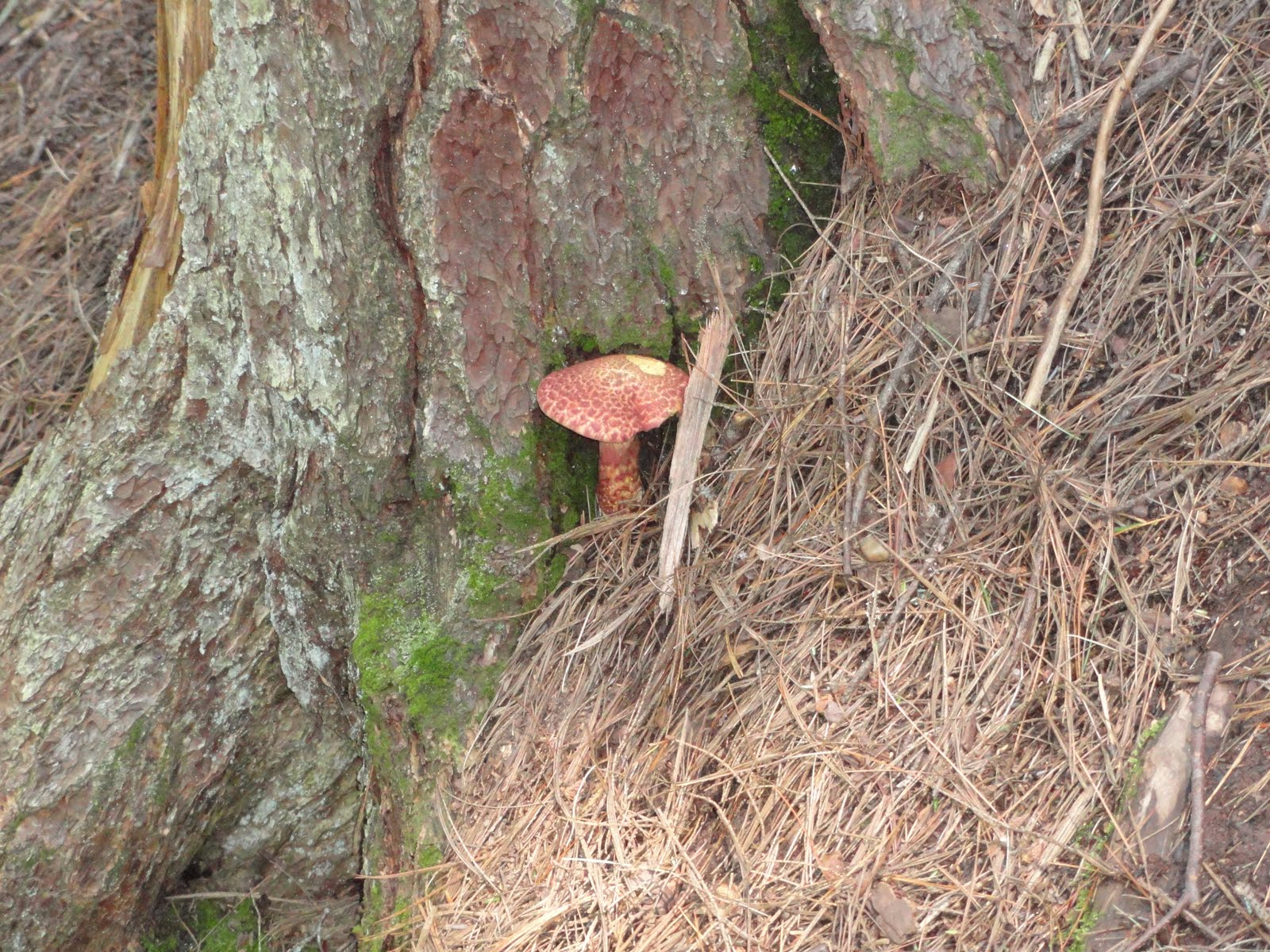
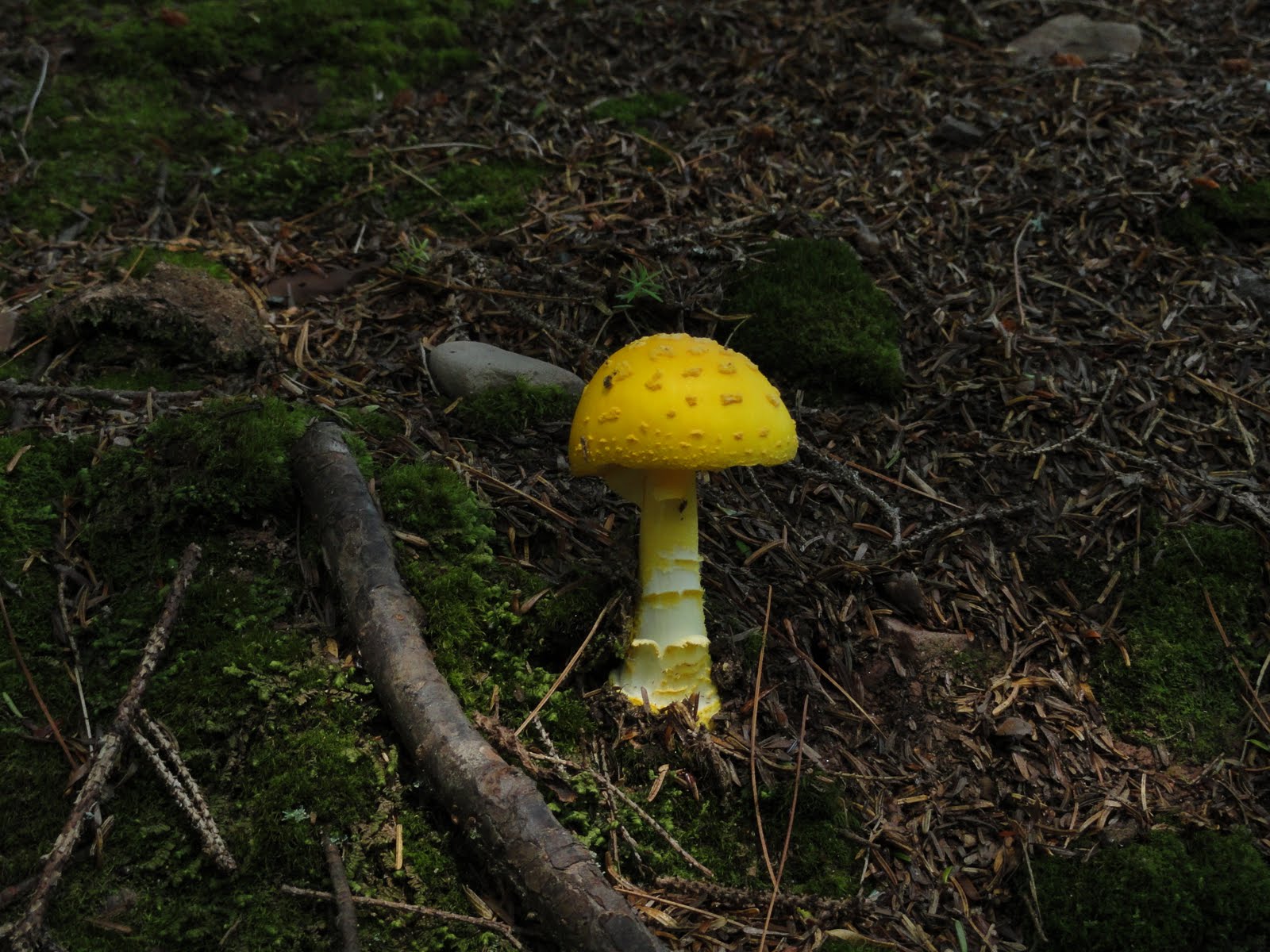
Apparently, Nova Scotia had gotten a lot of rain before we arrived for our visit, creating perfect conditions (moist, dark, and cool) within Truro’s Victoria Park for mushrooms. This one was my favorite: 
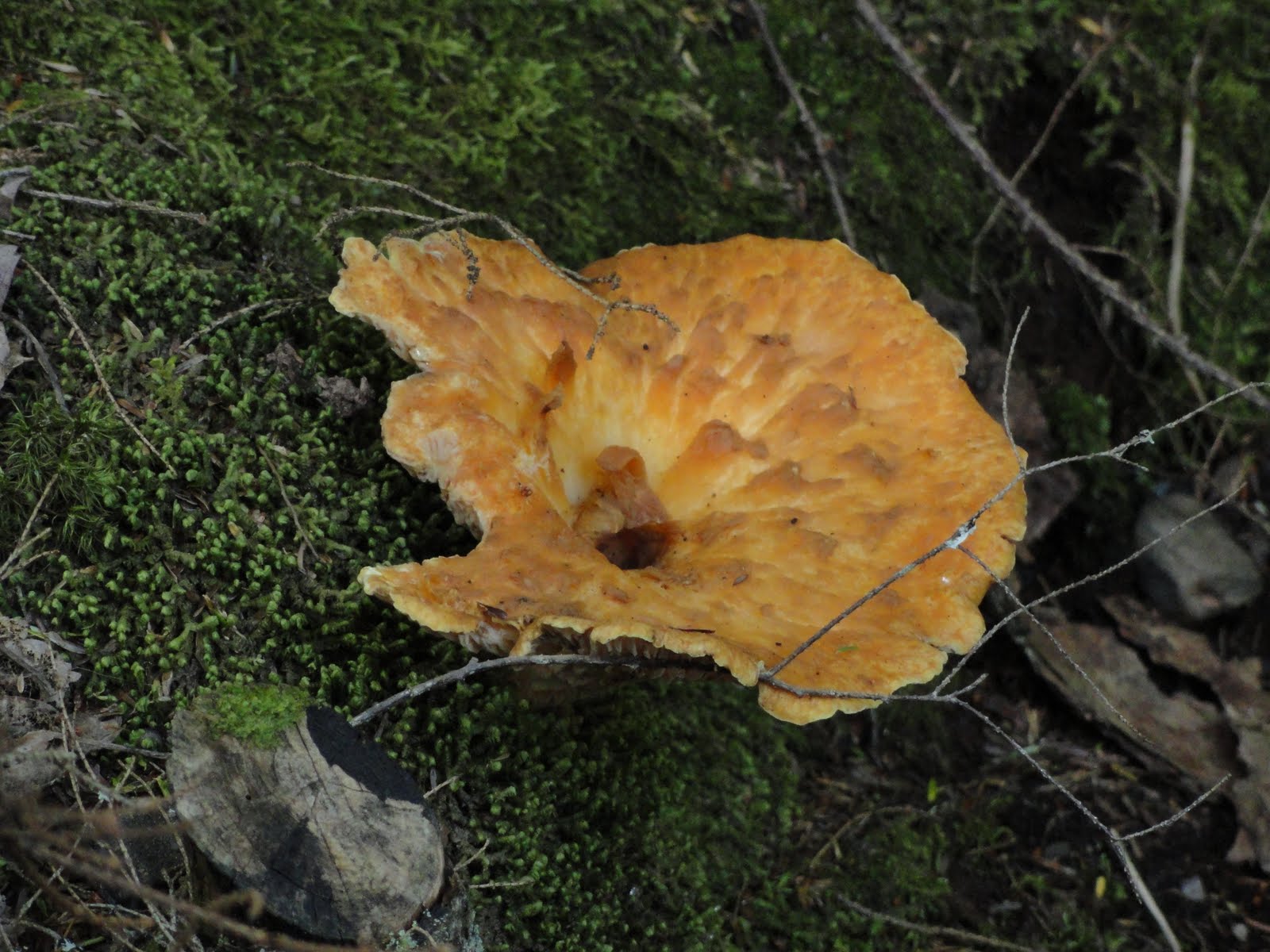
This one was striking: 
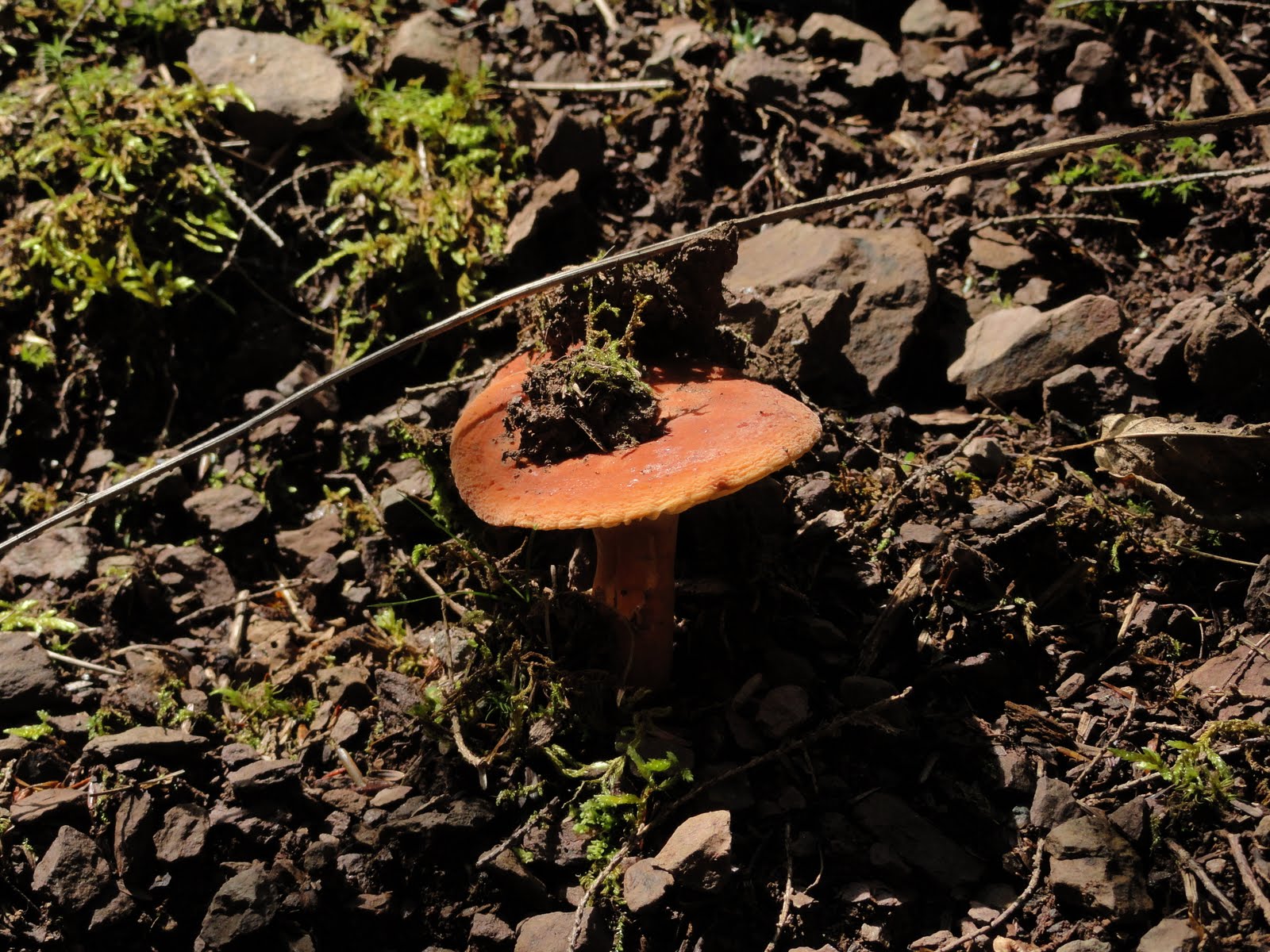
There were a lot of this kind: 

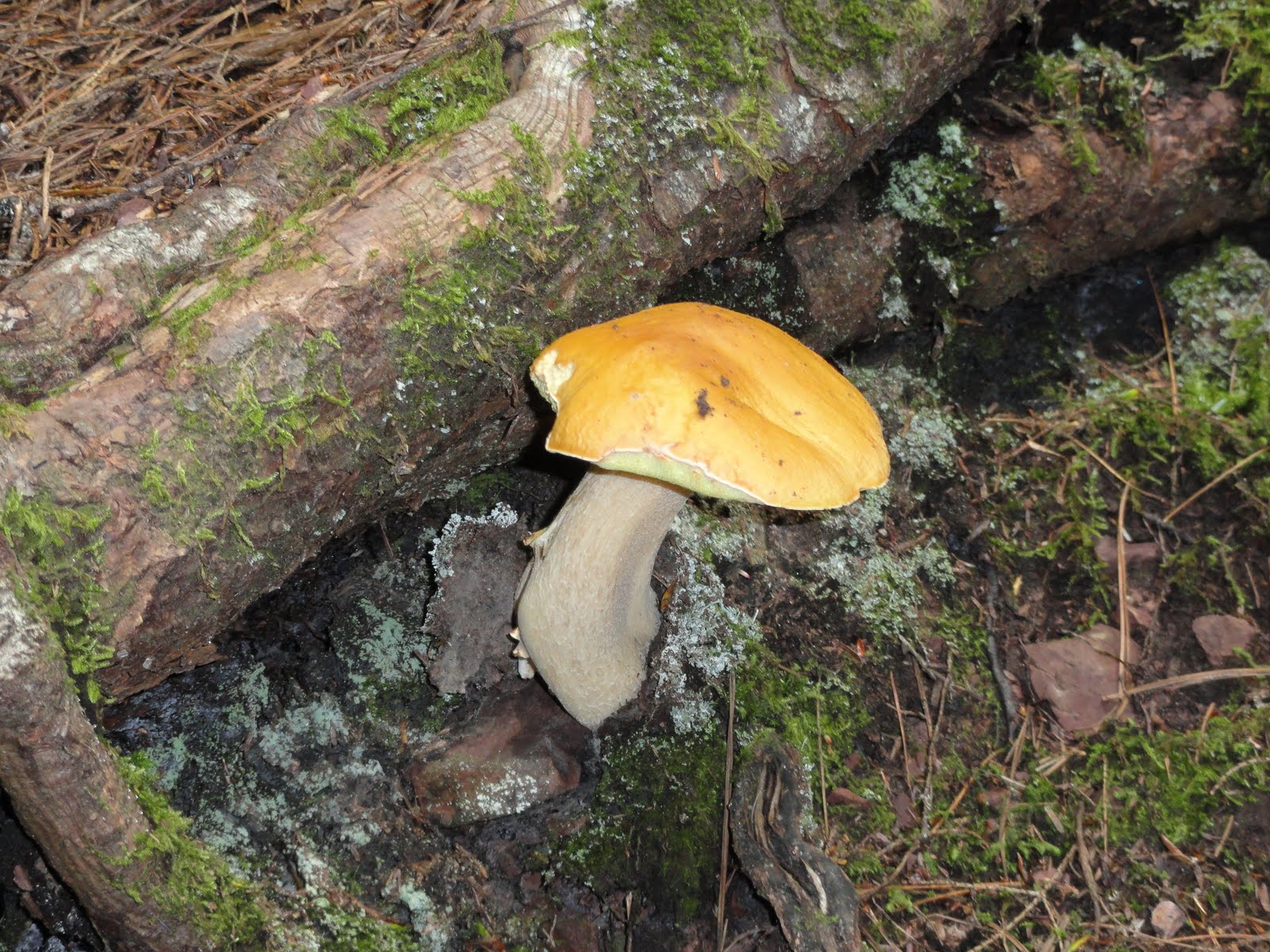
Here are some others:

No one else seemed as fascinated by their presence as I was, but I just don’t remember seeing such an array of mushrooms in the park, or anywhere else in Truro. If you know the names of these, I’d love to hear from you. 

Our Latest Trip to Truro’s Victoria Park

Every time we go back to Nova Scotia, my family and I make a point of visiting Victoria Park in Truro.

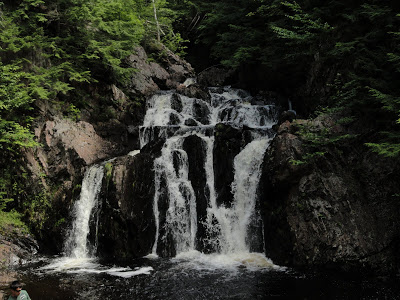
The centerpiece of the 400-acre park (with another 600 acres of protected woodland surrounding it) is Joe Howe Falls, named for the journalist, politician, and one-time opponent of Confederation best known for his successful self-defense on a libel charge in 1835.

From Victoria Park, Summer 2011

I’m probably a bad dad for letting (making) my children climb the 175 steps of Jacob’s Ladder, but this was something I looked forward to do when I came as a kid.

From Victoria Park, Summer 2011

Here’s the photo album of our latest sojourn to what is probably the most spectacular municipal park in the province (and that includes anything in Halifax):

Victoria Park, Summer 2011

Lawrence House: The Best Little Museum in Nova Scotia

There are a lot of museums, historical sites, and memorials in Nova Scotia; it seems you can’t drive five miles without running into one. Of the ones I’ve stopped at, my favorite is Lawrence House in Maitland.

Back in 1967, the Nova Scotia government bought the one-time residence of shipbuilder W. D. Lawrence from his granddaughter, Abbie. On this day in 1971, it opened as a museum, commemorating a more prosperous time for the Fundy region and Nova Scotia as a whole.

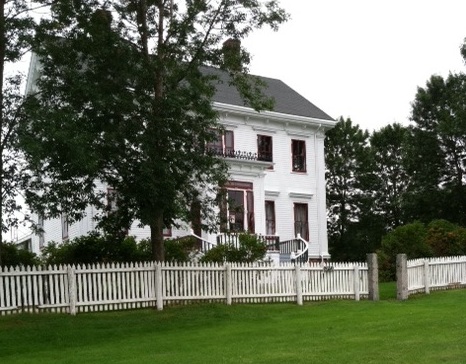
I went down to Lawrence House this afternoon with my wife and children to join in the 40th-anniversary celebration. We spent about two hours there with the remarkable, knowledgable staff, and learned a lot about the man who lived there and his time.

W. D. Lawrence’s claim to fame was his building  of the 250-foot, 2,500-ton “great ship.” Many of his contemporaries derided the Irish-born businessman’s plan to launch the W. D. Lawrence, not necessarily because it was a wooden leviathan powered by sail at a time when steam ships were emergent, but simply because the vessel was so big.

The ship, which set sail on its maiden voyage in 1874, is long gone, but the house is still there, as are the furnishings from the period, tools from the yards, and photos of the W. D. Lawrence in dry dock.

Fiercely proud of Nova Scotia–he built The Great Ship in part to showcase the province’s maritime might–Lawrence entered politics as a member of the House of Assembly in 1863. He was, along with Joseph Howe, a fierce opponent of Confederation (wise men).

Unlike Howe, Lawrence never came around to accepting Nova Scotia’s place in Canada. He always maintained that Confederation was “an idle vision calculated to check the future growth and prosperity of our country.” “Our country” was Nova Scotia, and those who wanted to join Canada were “traitors.”

Truro Gets a New Mini-Radio Station

My hometown of Truro, Nova Scotia, is getting a new radio station that will broadcast performances and recordings by local musicians.

Earlier this month, the Canadian Radio and Telecommunications Commission approved an application from the Truro Live Performing Arts Association to set up a low-wattage developmental station–operated by volunteers for training purposes–at 106.1 FM.
The Truro Live Performing Arts Association appears to be an equal-opportunity music organization; its website emphasizes that it is committed to promoting all things musical in the Marigold City. This bodes well for the new station, and I look forward to programming that’s truly local, and eclectic.
I’ll have to listen to it in my car, though: the range is only five kilometers, and the transmitter is up on Young Street. My parents live in the exurbs.